Uncovering Links Between Spin Interval Data and Comp Point Accumulation Rates Across Permitted Multi-State Digital Gaming Platforms
Written by Klara Zimmermann · Oct 12, 2026
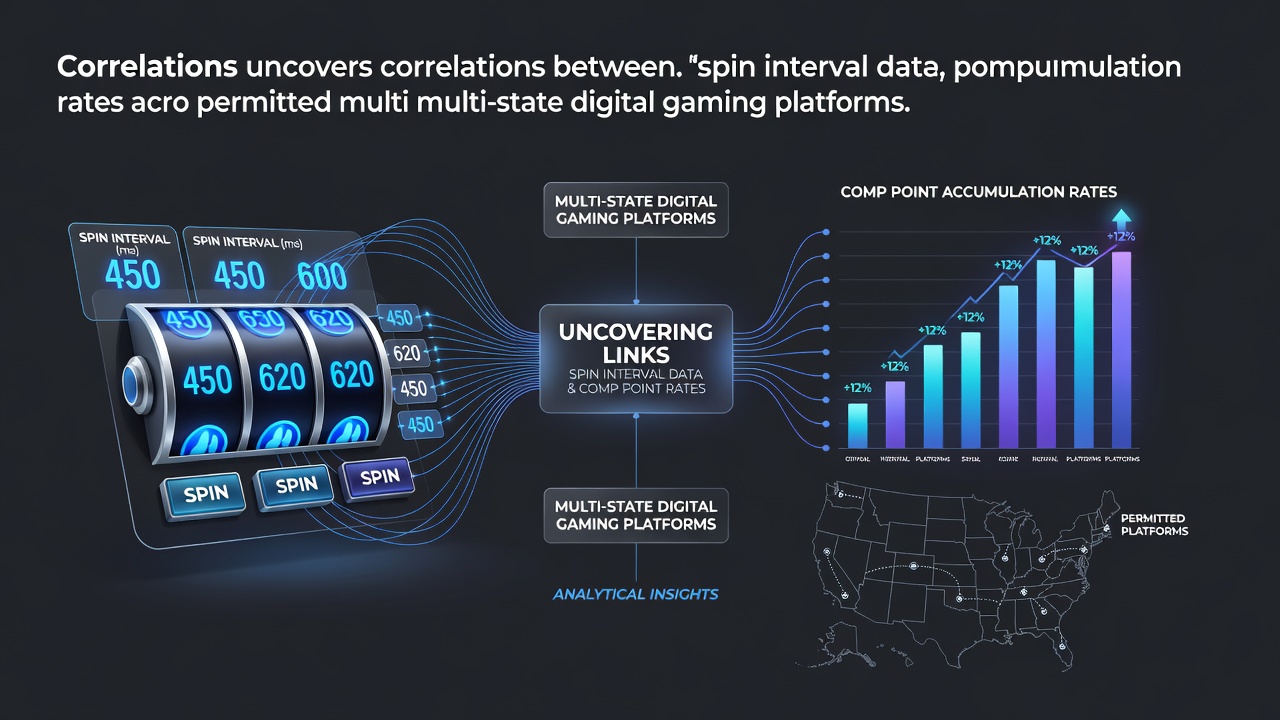
Uncovering Links Between Spin Interval Data and Comp Point Accumulation Rates Across Permitted Multi-State Digital Gaming Platforms
Spin interval data refers to the measured time gaps between consecutive game spins on digital roulette and similar titles while comp point accumulation rates track how loyalty rewards build based on player activity across permitted platforms in multiple states. Researchers have examined these elements because operators in states like New Jersey, Pennsylvania, and Michigan maintain separate regulatory frameworks yet share common backend systems for tracking player behavior. Data from integrated platforms shows that shorter average spin intervals often correlate with accelerated comp point earnings when algorithms factor in session duration and wager volume simultaneously.
Tracking Mechanisms in Regulated Environments
Operators collect spin interval metrics through server-side logs that record timestamps for each wheel spin or reel outcome and these logs feed into loyalty engines that calculate points per dollar wagered while adjusting for play speed. Studies conducted by academic groups at institutions such as the University of Nevada have indicated that intervals under eight seconds per spin tend to trigger bonus multipliers in certain reward tiers whereas longer pauses may reduce accumulation velocity even when total bets remain constant. Regulators in Pennsylvania require operators to maintain audit trails for these calculations so that comp awards align with documented activity rather than estimated patterns.
Cross-State Platform Integration Patterns
Multi-state networks connect player accounts across jurisdictions through centralized databases that normalize data from different state servers and this setup allows comp points earned in one market to influence eligibility in another. Figures released by the American Gaming Association reveal that approximately 65 percent of active digital casino accounts in 2025 participated in programs spanning at least two states with spin interval data serving as a key input for rate adjustments. Platforms must comply with each state's rules on data retention and reward transparency which creates variations in how interval information affects final point totals.
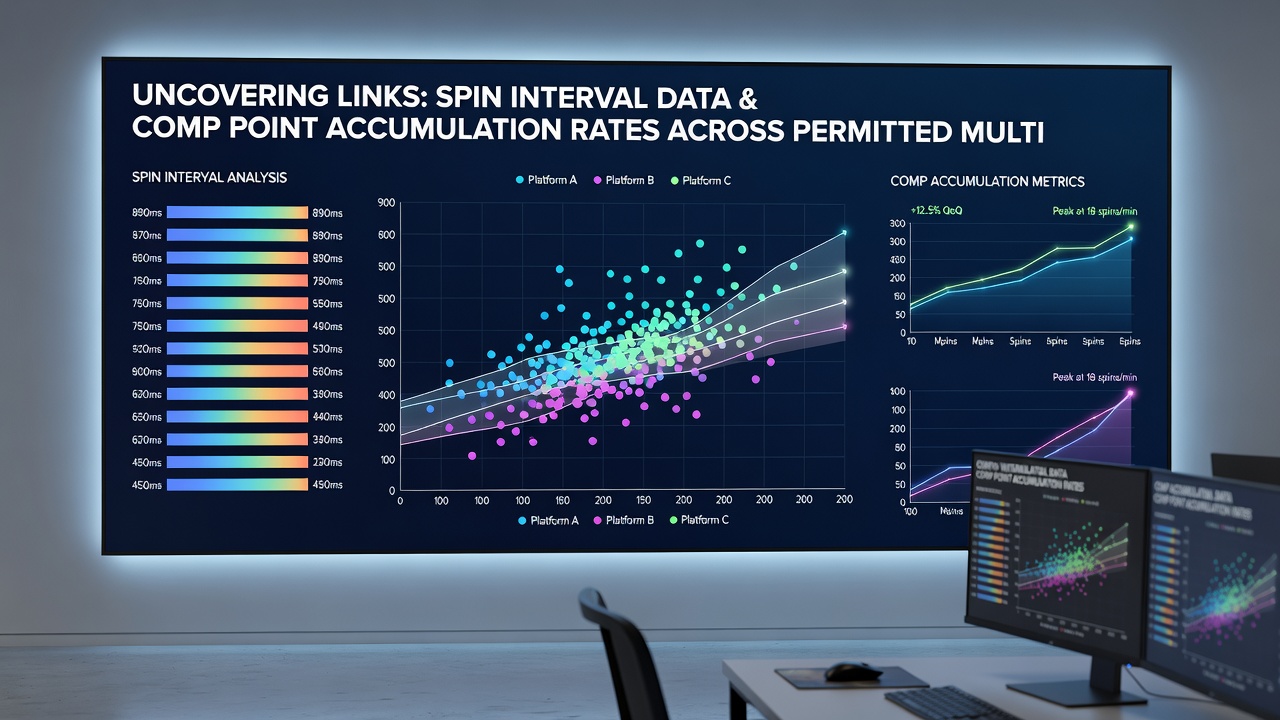
One analysis of transaction records from licensed operators demonstrated that players maintaining consistent sub-ten-second intervals accumulated points at rates 12 to 18 percent higher than those with irregular pacing when controlling for total handle. These differences appear because algorithms weight session intensity alongside wager size and state rules permit operators to apply such weighting provided disclosures occur at account creation.
Regulatory and Technical Considerations Emerging in 2026
Updates scheduled for October 2026 in several jurisdictions require enhanced reporting on how spin interval metrics influence reward calculations and operators have begun adjusting their systems to export standardized interval summaries alongside traditional play reports. Michigan's gaming authorities along with counterparts in other states have issued guidance documents that outline acceptable methods for linking these data streams without creating unfair advantages. Industry reports from research firms indicate that platforms adopting unified interval tracking across state lines experience smoother comp reconciliation processes for players who move between markets.
Technical teams at major providers integrate machine learning models that predict accumulation rates based on historical interval distributions and these models undergo review by third-party auditors to ensure compliance. Evidence from platform audits shows that outliers in spin timing often flag for manual review which can temporarily pause point awards until patterns normalize.
Observed Correlations in Player Data Sets
Analyses of anonymized datasets from permitted operators have uncovered that clusters of rapid spins during peak hours align with elevated comp rates in tiered programs while extended gaps between spins correlate with slower progression toward higher reward levels. Observers note that these correlations hold across different game variants provided the underlying tracking software remains consistent. External research published through gaming technology conferences has documented similar patterns in markets outside the primary US focus including comparative work from Australian regulatory bodies that monitor digital platform metrics.
Operators adjust point formulas periodically based on aggregated interval statistics and such adjustments require approval from each participating state's oversight body. Data from 2025 deployments shows that refined interval weighting reduced discrepancies in cross-state point balances by measurable margins according to internal operator summaries shared with regulators.
Conclusion
Connections between spin interval measurements and comp point rates continue to shape how permitted multi-state platforms structure their loyalty systems and ongoing regulatory developments set for late 2026 will likely standardize reporting further. Stakeholders across the sector rely on these data linkages to maintain compliance while supporting player engagement across jurisdictions.