Premier League Clubs Adjust to New Sponsorship Realities Amid Unlicensed Gambling Ties
Written by Iris Lehmann · Sep 14, 2026

Premier League Clubs Adjust to New Sponsorship Realities Amid Unlicensed Gambling Ties
The number of Premier League clubs maintaining sponsorship or advertising relationships with gambling companies not licensed in the UK has reached ten out of twenty teams, and this figure marks an increase from six clubs recorded earlier in the summer of 2026. Data from industry tracking shows the shift occurred as the league rolled out its voluntary ban on gambling firms serving as front-of-shirt sponsors for the current season. An eight-week government consultation on banning sponsorship deals with unlicensed operators closed recently, and officials expect a formal prohibition to take effect next year.
Tracking the Growth in Unlicensed Partnerships
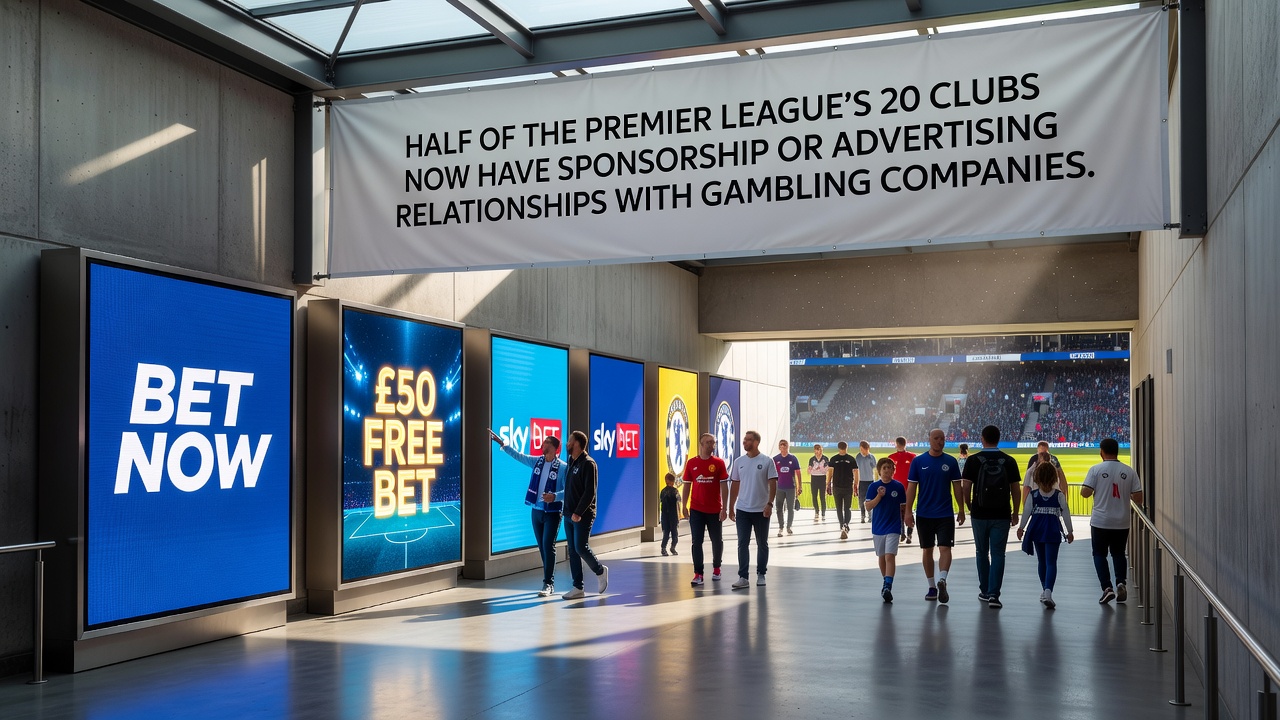
Half the league's clubs now hold arrangements with unlicensed gambling entities, and observers note the jump from six to ten clubs happened over just a few months. These relationships include advertising placements, hospitality packages, and digital promotions that fall outside the regulatory framework applied to UK-licensed operators. Figures indicate the unregulated betting market has continued expanding during the same period, and clubs have cited revenue needs as a factor in pursuing such agreements. The situation creates direct tension between licensed gambling companies and club executives who seek alternative income streams while the voluntary front-of-shirt restrictions remain in place.
Implementation of the Voluntary Front-of-Shirt Ban
The Premier League introduced its voluntary measure this season to remove gambling companies from the primary shirt position, and all twenty clubs have complied with that guideline. Yet the policy does not extend to other sponsorship categories, and multiple teams have secured deals with unlicensed operators for sleeve placements, training kit logos, and stadium perimeter advertising. This partial approach leaves room for continued commercial activity while the broader regulatory picture develops. Reports confirm that licensed operators have raised concerns about competitive imbalance, since unlicensed firms face fewer compliance costs and can offer higher fees in some cases.
Government Consultation and Timeline for Change
The eight-week consultation period focused on prohibiting sponsorships by unlicensed operators, and it concluded with expectations of new legislation arriving in 2027. Government sources indicate the measure aims to close loopholes that allow foreign-based betting companies to advertise without UK licensing oversight. Clubs have expressed worries over potential revenue shortfalls if the ban takes effect without transitional support, and industry analysts have pointed to the unregulated market's growth as evidence that demand for gambling partnerships persists. The consultation documents highlighted data on current sponsorship volumes, and these statistics informed the policy direction now under review.
Revenue Pressures and Market Dynamics
Club finance teams have identified gambling-related income as a meaningful contributor to annual budgets, and the move toward unlicensed partners reflects efforts to offset reductions in front-of-shirt revenue. Licensed operators argue that the playing field tilts when unregulated competitors operate without the same tax and compliance obligations, and this disparity has prompted formal complaints to regulatory bodies. Meanwhile the unregulated betting sector has expanded its digital reach, and data shows increased marketing activity aimed at UK audiences through indirect channels. Those monitoring the situation note that clubs must weigh short-term financial gains against the risk of future restrictions once the expected ban arrives.
Stakeholder Positions and Ongoing Developments
Licensed gambling companies have called for stricter enforcement to protect their market position, while club representatives emphasize the need for sustainable commercial partnerships. The unregulated market's continued expansion adds another layer, as new operators enter without UK oversight and target sponsorship opportunities that remain available under current rules. Government timelines point to implementation in 2027, and clubs have begun reviewing alternative sponsorship categories in preparation. Statistics on the ten clubs involved show a mix of sleeve deals, digital campaigns, and hospitality arrangements, and these arrangements illustrate how the landscape has shifted since the summer increase from six to ten teams.
Conclusion
The Premier League now stands at a point where ten clubs hold relationships with unlicensed gambling operators, and this development coincides with the voluntary front-of-shirt restrictions and the pending government ban. Revenue considerations remain central for clubs, while licensed operators continue to highlight competitive concerns. The unregulated market's growth provides context for the commercial decisions taking place, and the expected 2027 prohibition will reshape available options once it arrives. Current arrangements reflect the interim period between the voluntary measures and forthcoming legislation.