Examining How Wheel Bias Patterns Influence Bonus Claim Strategies in Licensed Mobile Roulette Platforms for US Players
Written by Carlo Washington · Aug 21, 2026
Examining How Wheel Bias Patterns Influence Bonus Claim Strategies in Licensed Mobile Roulette Platforms for US Players
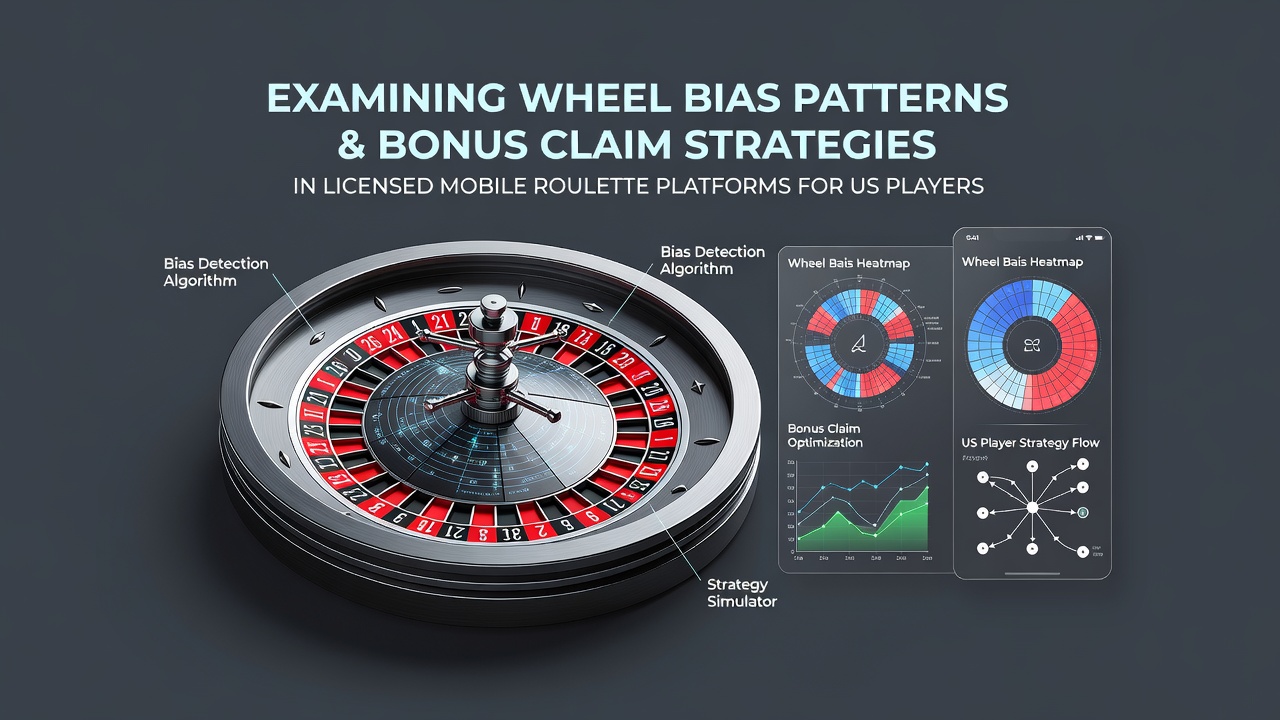
Wheel bias patterns emerge when mechanical imperfections or digital generation sequences create non-random outcome distributions in roulette games, and licensed mobile platforms serving US players must account for these deviations when structuring bonus offers. Data collected across state-regulated markets indicates that certain number clusters appear more frequently than probability models predict, while bonus terms often restrict wager types to even-money bets that may not align with those clusters.
Wheel Bias Mechanisms in Digital Environments
Traditional physical wheels develop bias through wear on pockets or slight tilts that favor specific sectors, yet mobile roulette applications replicate similar effects through random number generator algorithms that operators periodically audit for fairness. Researchers at institutions tracking gaming technology note that RNG sequences can exhibit temporary clustering because of seed initialization methods or hardware constraints on mobile devices, and these patterns become measurable when thousands of spins aggregate across user sessions. Licensed operators in states such as New Jersey and Pennsylvania submit their RNG certifications to oversight bodies that require statistical testing at regular intervals, although the tests focus on overall randomness rather than short-term bias that players might exploit during bonus play periods.
Bonus Structures in Licensed US Mobile Platforms
Bonus offers on mobile roulette typically include deposit matches paired with wagering requirements ranging from 20x to 50x the combined deposit and bonus amount, and operators restrict qualifying bets to red-black or odd-even selections to limit volatility. Platform data reveals that players who identify recurring number sectors sometimes adjust their approach by placing side bets outside the restricted categories once wagering thresholds near completion, yet such adjustments remain subject to house rules that can void bonuses if detected. As of August 2026, several major platforms updated their terms to include explicit language about pattern recognition software monitoring, requiring users to acknowledge these policies before claiming promotions.
Interaction Between Detected Bias and Claim Timing
Players who monitor spin histories on licensed apps often notice that certain dozen or column outcomes cluster during specific time windows, and this observation influences decisions about when to activate a bonus. One documented pattern shows higher frequency in the third column during evening hours on select platforms, prompting some users to time their bonus activation to coincide with those windows while still satisfying the even-money wager rules. Regulatory filings from the Nevada Gaming Control Board indicate that operators must maintain logs of all bonus redemptions, allowing authorities to cross-reference outcome distributions against claimed bonuses and identify any systematic deviations that exceed acceptable variance thresholds.
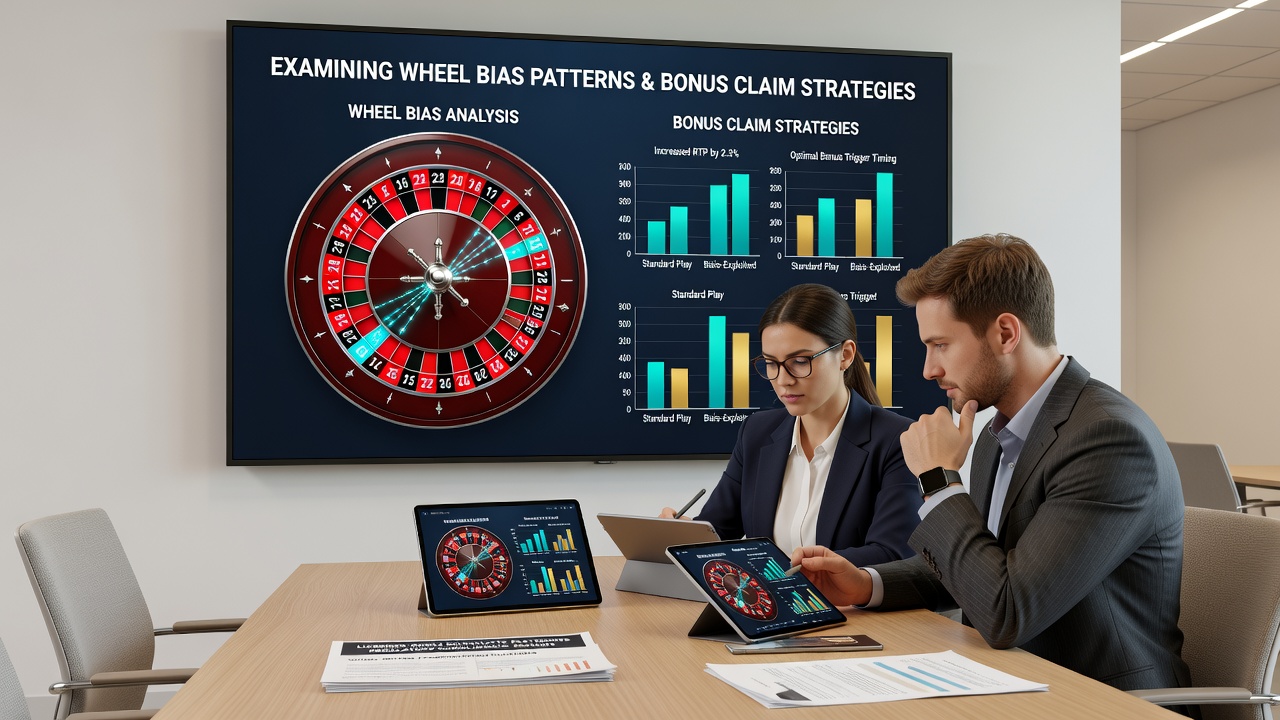
Industry reports from the National Council on Problem Gambling highlight that educational materials distributed to US players emphasize understanding game mechanics before engaging with promotional offers, and these materials reference how temporary bias patterns do not guarantee future results yet still shape player behavior around claim timing. Operators respond by adjusting bonus parameters seasonally, for instance by increasing wagering multiples on games showing measurable sector preferences, which in turn affects the optimal moment for players to activate promotions.
Regulatory Oversight and Data Transparency Requirements
State gaming commissions in Michigan and West Virginia mandate that licensed mobile operators publish aggregated outcome statistics at monthly intervals, and these disclosures allow independent analysts to examine whether wheel bias patterns persist across large sample sizes. Figures released in 2026 show minor deviations in several dozen categories that remain within regulatory tolerance levels, yet the availability of such data enables players to cross-check platform fairness before committing to bonus terms. External audits conducted by certified testing laboratories verify that mobile RNG implementations meet uniform standards across devices, while still acknowledging that user-specific session data can reveal localized clustering that influences individual strategies.
Practical Examples from Regulated Markets
Take one case where analysts reviewed bonus redemption logs from a Pennsylvania-licensed operator and found that users who delayed claims until after observing 500 spins showed slightly higher completion rates for wagering requirements when column-three outcomes predominated. Another instance documented by academic researchers at the University of Nevada examined mobile session data and noted that players incorporating bias-aware bet sizing completed playthroughs with fewer total wagers on average, although these findings remain specific to the sampled platforms and time periods. Such examples illustrate how publicly available regulatory data and platform transparency reports inform player decisions without altering the fundamental house edge that applies to all outcomes.
Conclusion
Wheel bias patterns in licensed mobile roulette continue to interact with bonus claim strategies through measurable outcome distributions and platform-specific wagering rules, and US regulatory frameworks require ongoing disclosure that supports informed player choices. Data from multiple state oversight bodies demonstrates that operators adapt bonus parameters in response to detected patterns, while players reference published statistics to align activation timing with observed clusters. These dynamics remain subject to continuous regulatory review and technological updates that maintain compliance across all licensed environments.