Decoding Payout Frequency Variations Across Different Roulette Wheel Configurations in State-Approved Digital Casino Environments
Written by Iris Lehmann · Sep 28, 2026
Decoding Payout Frequency Variations Across Different Roulette Wheel Configurations in State-Approved Digital Casino Environments
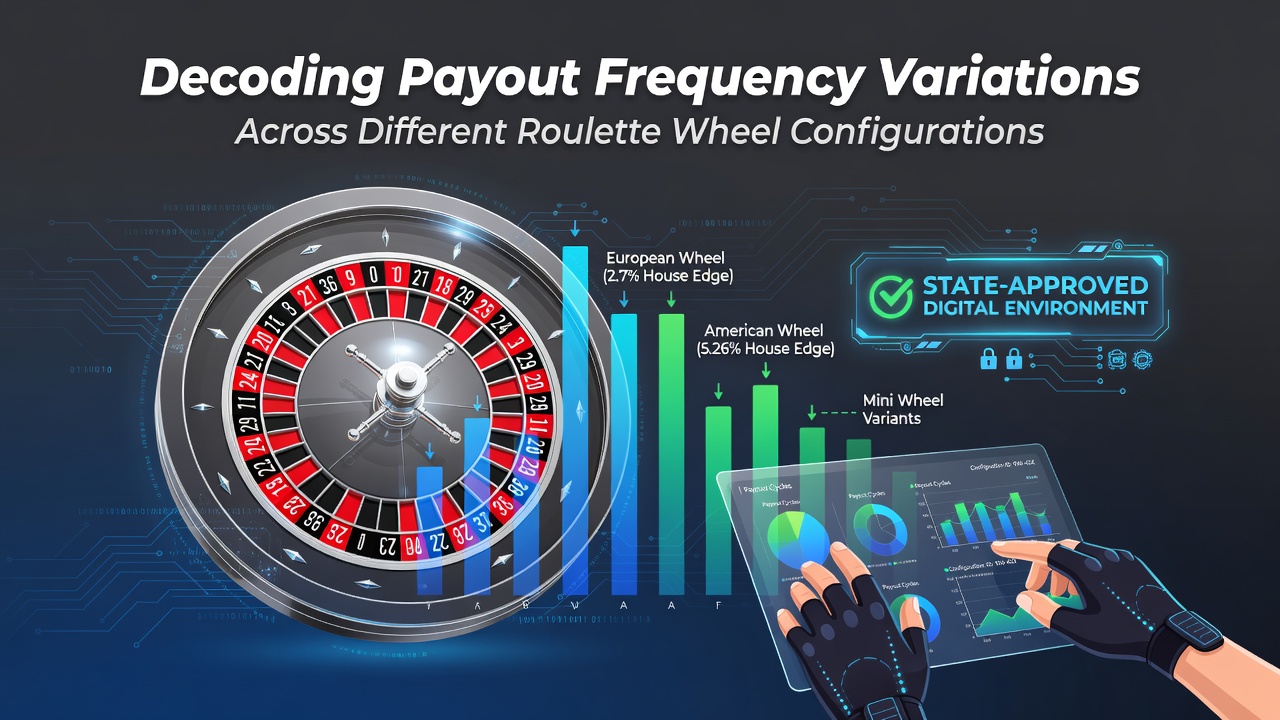
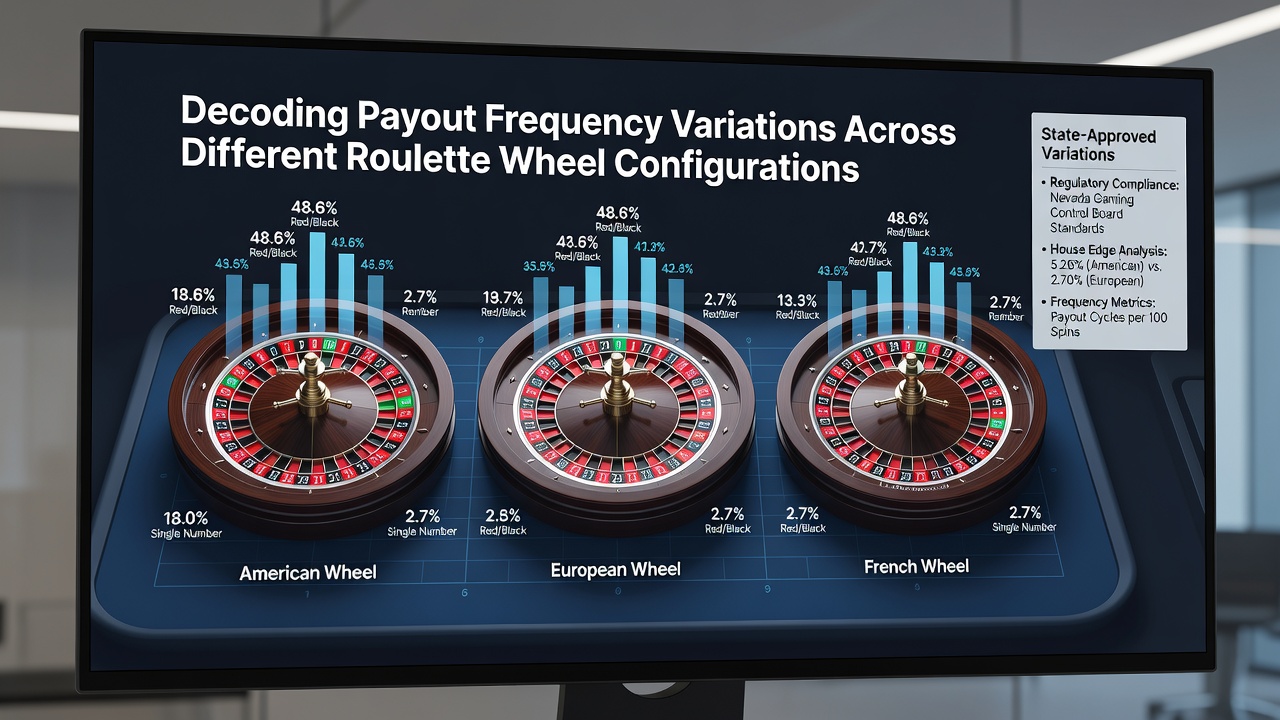
State-approved digital casino environments rely on standardized roulette wheel configurations that determine payout frequencies through precise mathematical structures, and researchers track these patterns across licensed platforms in multiple jurisdictions. American wheels incorporate both a single zero and a double zero which shifts the total pockets to thirty-eight and alters the probability distribution for every outside and inside bet, whereas European and French wheels use thirty-seven pockets with only one zero and produce measurably different hit rates on the same wager types. Data from regulatory testing laboratories show that these structural differences create consistent variations in how often winning outcomes occur during extended play sessions, and operators must certify each configuration before deployment in digital formats.
Core Mechanics Behind Frequency Shifts
Each wheel type fixes the denominator for probability calculations so that a straight-up bet on an American wheel pays out once every thirty-eight spins on average while the equivalent bet on a European wheel pays once every thirty-seven spins, and observers note that this single-pocket difference compounds across all bet categories when players track sequences over thousands of rounds. Digital implementations replicate these physical layouts through certified random number generators that state regulators audit on a recurring schedule, and figures from independent testing agencies reveal that payout frequency remains stable once the RNG passes statistical validation. French rules add the la partage feature on even-money bets which returns half the stake when zero appears and thereby increases the observed frequency of partial returns without changing the underlying wheel layout itself.
Regulatory Oversight and Digital Certification Standards
Licensing bodies in various states require operators to submit wheel configuration files for approval before any game goes live, and September 2026 marks the rollout of updated RNG testing protocols across several jurisdictions that emphasize real-time frequency monitoring rather than periodic spot checks. These protocols compare actual payout distributions against theoretical models derived from each wheel type, and compliance reports indicate that deviations trigger immediate game suspension until recalibration occurs. Industry associations have compiled comparative datasets that highlight how single-zero wheels maintain higher payout frequencies on red-black and odd-even bets compared with double-zero versions, and regulators reference these datasets during renewal reviews.
State-approved platforms often host multiple wheel variants within the same digital lobby so players encounter both American and European options in a single session, and system logs capture the frequency differentials that emerge when the same bet type rotates across configurations. Research conducted by university statistics departments has quantified these differentials through large-scale simulation runs that confirm the expected hit rates align with pocket counts rather than external factors such as animation speed or interface design.
Comparative Data Across Jurisdictions
Reports issued by the New Jersey Division of Gaming Enforcement document payout frequency metrics for both wheel types operating in that state’s online market, and parallel data from Canadian provincial regulators show similar patterns once adjusted for local certification requirements. Observers note that triple-zero wheels, though less common in state-approved environments, further reduce payout frequency across the board because the extra pocket increases the house advantage without altering standard payout ratios. Academic analyses published in gaming mathematics journals confirm that these frequency shifts remain constant regardless of whether the wheel appears in a live-dealer stream or a fully animated RNG format, provided the underlying random sequence meets certification thresholds.
Operators must display the active wheel configuration within the game interface so that frequency expectations stay transparent, and audit trails maintained by regulatory bodies allow third-party verification of long-term payout distributions. Studies from research institutions in Australia have examined how digital wheel variants perform under continuous play conditions, and their findings align with North American datasets that tie frequency variations directly to pocket totals rather than software implementation details.
Impact on Game Selection and Platform Design
Platform developers structure game lobbies to group wheel types by their documented payout frequency profiles, which helps licensed operators meet jurisdictional requirements for clear disclosure of game parameters. Those who analyze transaction logs across multi-state networks find that single-zero wheels generate higher aggregate return rates on even-money bets while double-zero wheels produce lower frequencies that match the increased pocket count. Certification documents filed with state agencies include detailed probability tables for every approved configuration, and these tables serve as reference points during routine compliance inspections scheduled throughout the year.
Conclusion
Digital roulette environments in state-approved markets operate under fixed wheel configurations that produce predictable payout frequency variations based on pocket counts and supplementary rules such as la partage. Regulatory frameworks in multiple regions enforce consistent testing and disclosure practices that keep these variations transparent to operators and players alike. Data compiled from licensing bodies and independent research continue to map the precise relationships between wheel design and observed hit rates, providing a stable foundation for ongoing certification and platform development.